


1920s Fashion Designers
Want to see more from us on Google?
Add to Preferred Sources
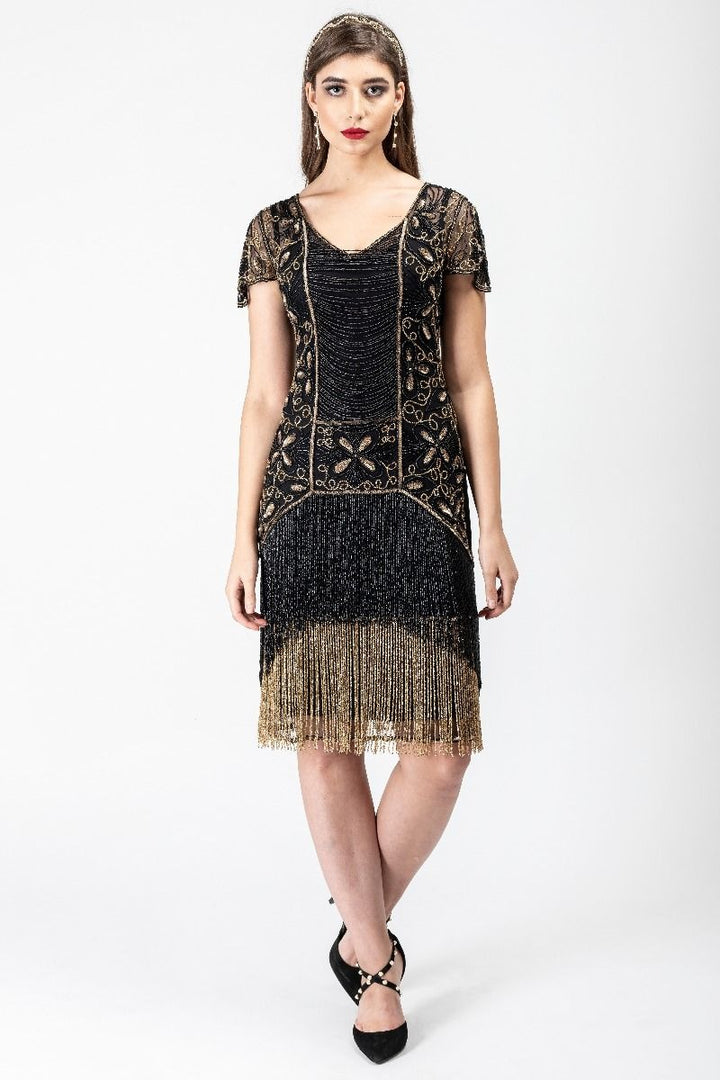
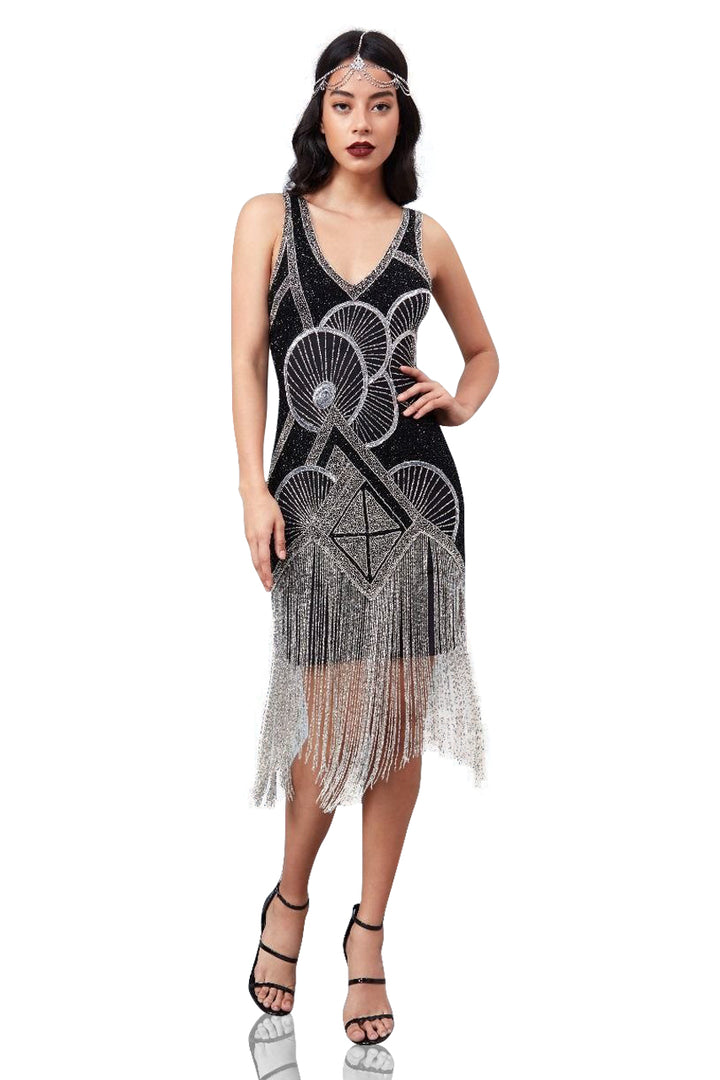
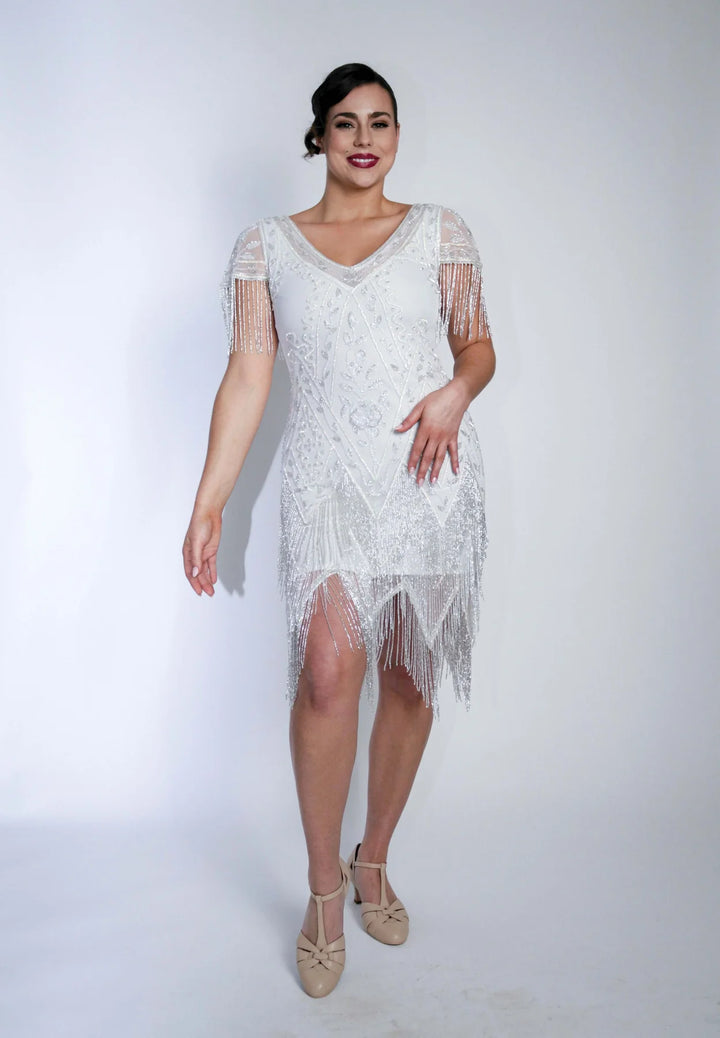
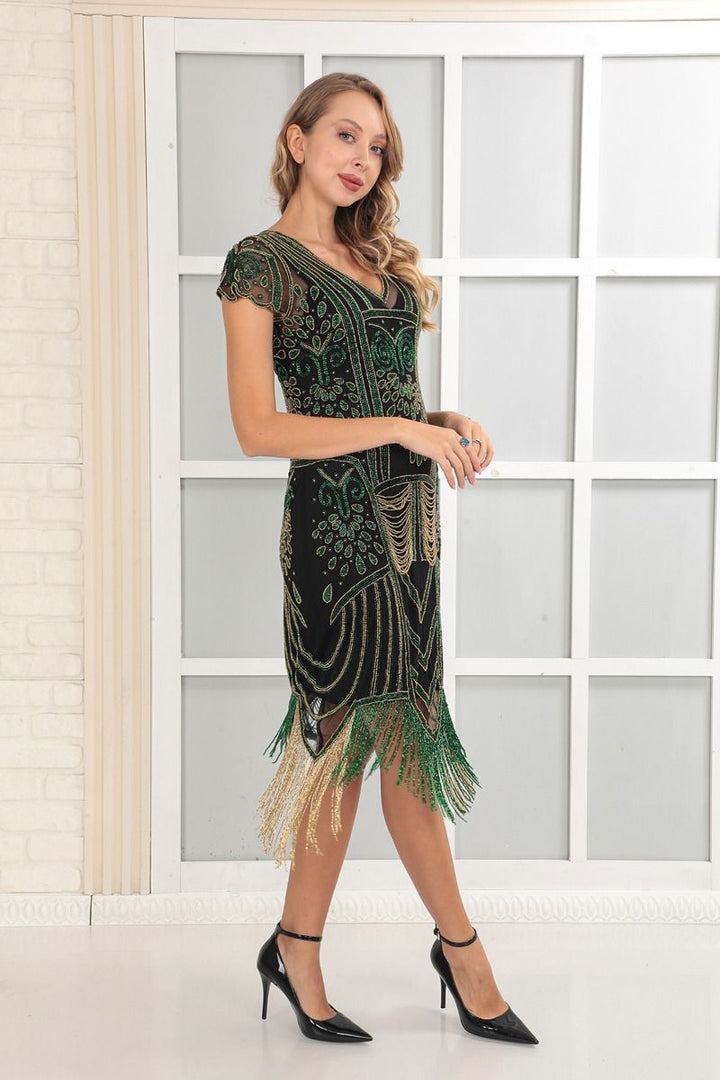
The 1920s were a stylish era filled with iconic fashion. The Jazz Age was a time when women began using clothing to express themselves rather than signal their place within society. Fashion underwent a veritable revolution in the 1920s—it was a decade in which silhouettes relaxed, undergarments became less restrictive, and even formal dresses became a little more comfortable.
One of the main reasons women are no longer subjected to tight corsets and heavy, long-sleeved gowns is that 1920s fashion designers weren’t afraid to take risks and push boundaries with the clothing they sent down the runways. Here is a look at some of the most famous 1920s fashion designers.
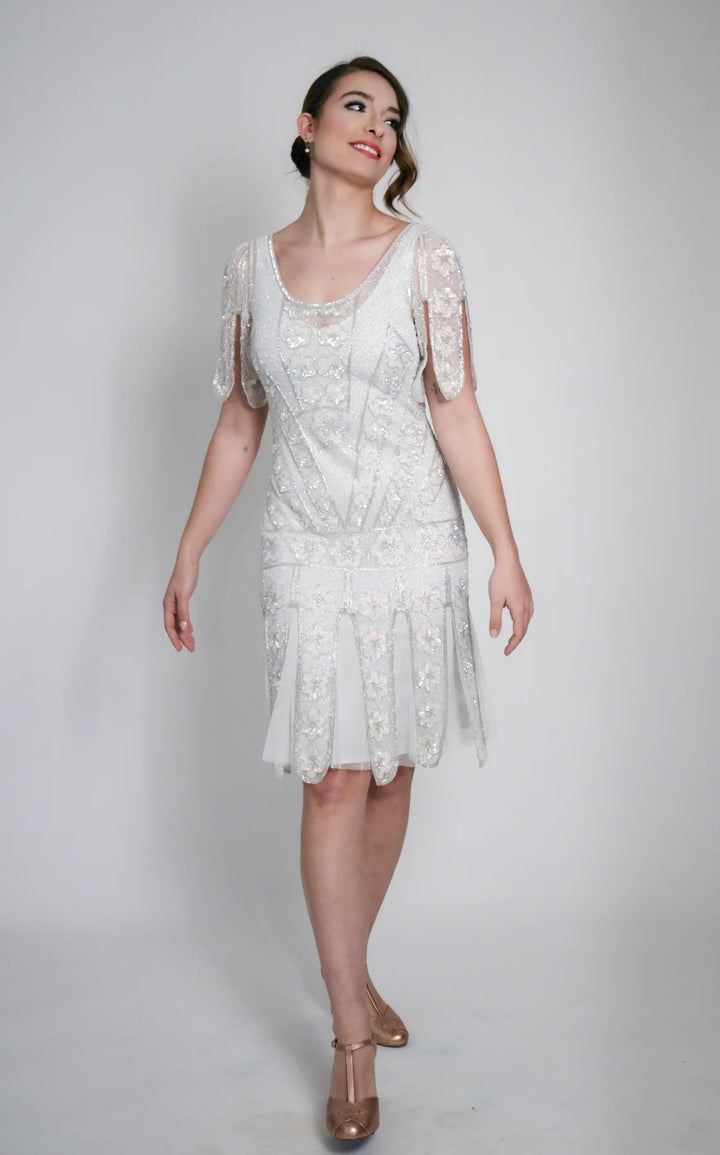
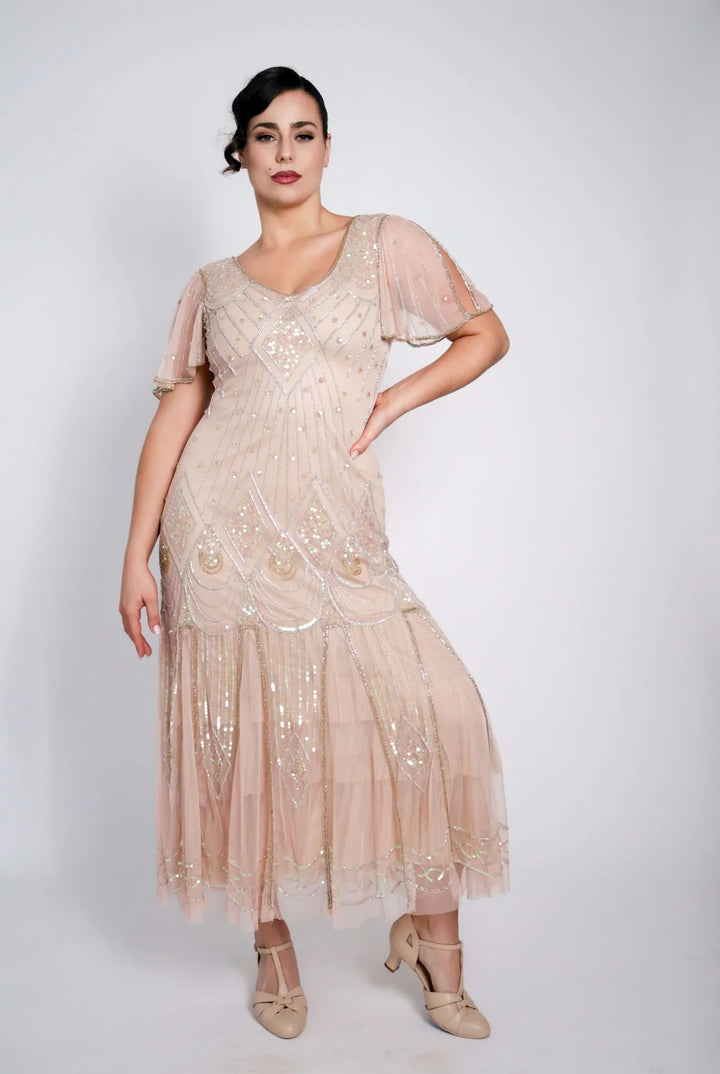
Coco Chanel
One cannot talk about 1920s fashion without mentioning the famous Gabrielle “Coco” Chanel. This influential French fashion designer was an icon during the Roaring Twenties, and her legacy continues to influence modern fashion trends to this very day.
Chanel first learned to sew during her time as an orphan at the Congregation of the Sacred Heart of Mary, a French convent. She began working as a seamstress before becoming a cabaret singer. It was there that she adopted the stage name “Coco,” a shortened version of the word “Coquette.”
During her time on stage, she caught the eye of several wealthy men, including Captain Arthur Edward Capel, who financed her first fashion boutique. In 1918, she opened her flagship boutique at 31 Rue Cambon in one of the most fashionable areas of Paris.
Chanel’s designs were nothing short of revolutionary. She was one of the first fashion designers to create masculine pieces of clothing for women, a trend that was known at the time as the “garçonne look.” Her stylish suits for women consisted of fitted sleeves, embellished buttons, and slim-cut skirts.
During the 1920s, she helped make trousers a wardrobe staple for women across the globe. Luxurious, wide-legged pants were a favorite of socialites lounging on the French Riviera, and the look eventually spread to iconic fashionistas in America. Soon, everyone wanted to emulate the Coco Chanel way of dressing.
Perhaps her most popular contribution to fashion was the Little Black Dress. In 1926, she designed a simple, calf-length black sheath dress and referred to it as “a frock that all the world would wear.” This concept has been reinvented millions of times since its inception, but any woman who has relied on a little black dress for an important occasion can thank the great Coco Chanel for its existence.
Jeanne Lanvin
Jeanne Lanvin was a French haute couture fashion designer and the namesake of the Lanvin label. She began her career as a milliner on the rue du Faubourg Saint-Honoré in Paris in 1889. Lanvin designed beautiful clothing for her daughter Marguerite, and these designs were so admired by upper-class women that they started demanding that she make adult designs as well.
Her mother-and-daughter designs eventually led her to create her own label. Lanvin is considered the world’s most historic fashion house and continues to produce haute couture. She loved using delicate and expensive fabrics to create her impeccable designs. Decadent details like beadwork, flowers, lace, mirrors, and other embellishments were also included in her elegant creations.
Ethereal empire-waist dresses were a favorite among her clients in the 1920s. She is perhaps most famous for creating Robe de Style, a variation of the chemise dress that featured a full skirt and a dropped-waist silhouette.
Elsa Schiaparelli
Elsa Schiaparelli is another popular name in 1920s fashion. An Italian designer considered Coco Chanel’s greatest rival, she was a self-taught fashionista with no formal training in patternmaking or clothing construction. Although she began her own clothing label in the early 1920s, she faced hardships along the way. It wasn’t until 1927 that her designs became popular enough to be featured in Vogue magazine. Her designs remained popular throughout most of the 20th century.
Her styles were largely influenced by surrealists like Salvador Dalí and Jean Cocteau. Despite having no formal education in fashion, Elsa Schiaparelli created some of the world’s most impressive and notorious designs. The Wrap Dress—a classic women’s garment that remains relevant to this day—was the brainchild of Schiaparelli, who was inspired by the way aprons were tied.
She also created a stylish soirée dress that was popular during the 1920s. Also known as a “Speakeasy Dress,” it was an elegant frock with a hidden pocket so that women could sneak flasks into clubs during Prohibition.
Jean Patou
Jean Patou was a male fashion designer who moved to Paris in 1910 to become a couturier. Although he opened his first boutique in 1912, he closed it not long after to serve as a captain in the First World War. Once he returned from battle, he reopened his couture house in 1919. During the 1920s, he became one of the most influential sportswear designers to ever live.
Rather than designing for fashionable flappers, Jean Patou designed for the “new woman”—one who wanted to look sophisticated while participating in sport. He is credited with inventing knitted swimwear, as well as other items that remain prevalent in women’s sportswear.
When he created a sleeveless, knee-length tennis outfit for the famous tennis star Suzanne Lenglen, the world was introduced to the tennis skirt, a garment still worn by female tennis players across the globe.
Madeleine Vionnet
Madeleine Vionnet is a French fashion designer who studied in London before opening her first fashion house in Paris in 1912. World War I led to a minor setback, but she reopened her “Temple of Fashion” in Paris in 1923 and later expanded to New York City in 1925. She encouraged fashion to move away from stiff, formal clothing and instead embrace sleeker, softer silhouettes.
Although not as well-known as names like Coco Chanel, Madeleine Vionnet was highly influential in the 1920s fashion world. Referred to as the “queen of the bias cut” and “architect among dressmakers,” she created sensual haute couture pieces that were favorites of style stars like Marlene Dietrich, Katharine Hepburn, Joan Crawford, and Greta Garbo. Her impeccably designed Grecian-style dresses popularized bias-cut designs among fashion designers across the globe.
Paul Poiret
Paul Poiret was a master couturier, a leading French fashion designer, and a founder of a house of haute couture. He was famous for neoclassical creations and designs that were somewhat Oriental in influence. His use of straight lines and rectangular motifs made him a founder of what was considered “modern fashion,” and many designers—including the popular Elsa Schiaparelli—considered him a great influence.
His bright colors and contemporary cuts were a breath of fresh air for women who were growing tired of wearing restrictive clothing and tight-fitting corsets. Relaxed garments like harem pants, draped gowns, and empire-waist dresses were paired with kimono-style coverings and turban hats.
His love of empire-waist styles also required corsets to be replaced with undergarments that more closely resembled modern bras, which helped rid the fashion world of corsets completely.
Norman Hartnell
Norman Hartnell was a couture designer who rose to popularity in the 1920s. A leading British fashion designer, he was a favorite of the Royal Family for decades. He would go on to become the Royal Dressmaker to Queen Elizabeth in 1940 and Queen Elizabeth II in 1957.
After he opened a store in London in 1923, his work soon caught the eye of British debutantes and other prominent members of London society. At the time, most high-end fashion came from Paris. Norman Hartnell’s popular bridal gowns and gowns for guests at society weddings proved that London was also home to exciting, up-and-coming fashion designers.
After designing for famous theatre starlets and screen actresses, his expansive and luxurious garments caught the attention of the royal family.
Sonia Delaunay
Sonia Delaunay was a European artist and designer. She is best known for co-founding the Orphism art movement, which featured bold colors and geometric shapes. Her artwork influenced textiles, furniture, and clothing during the 1920s and beyond. In 1964, she became the first living female artist to have a retrospective exhibition at the Louvre.
Although not a traditional fashion designer like some of the others included on this list, Sonia Delaunay’s work was incredibly impactful. A prominent costume designer for both stage and film, she also opened a fashion studio with Jacques Heim in 1924. She also designed haute couture textiles for Robert Perrier.
Much like her artwork, her dresses featured bold colors and geometric shapes like squares, triangles, and diamonds. An artist through and through, she referred to these designs as “poem dresses.”

Featured Blog Posts


Leave a comment